
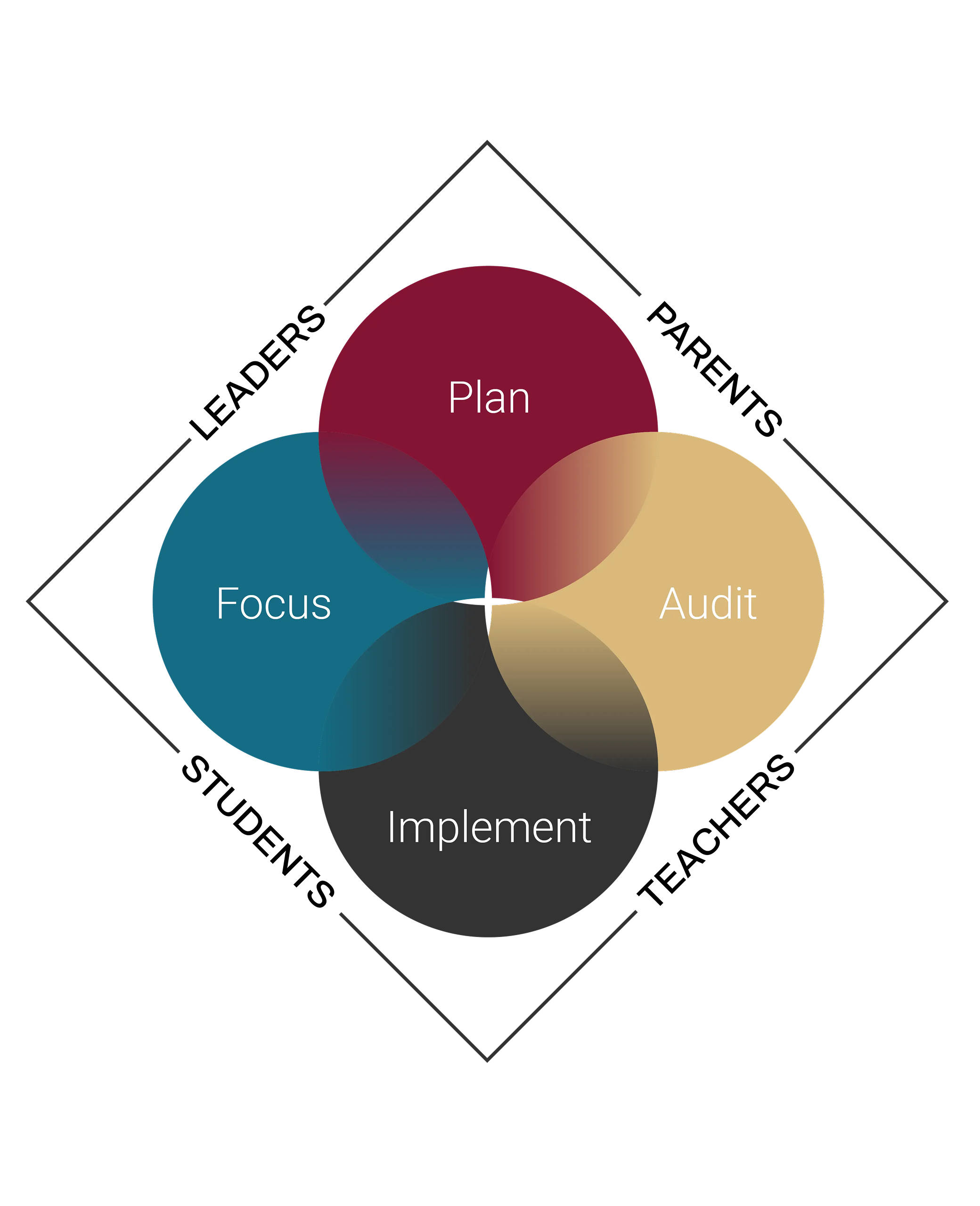
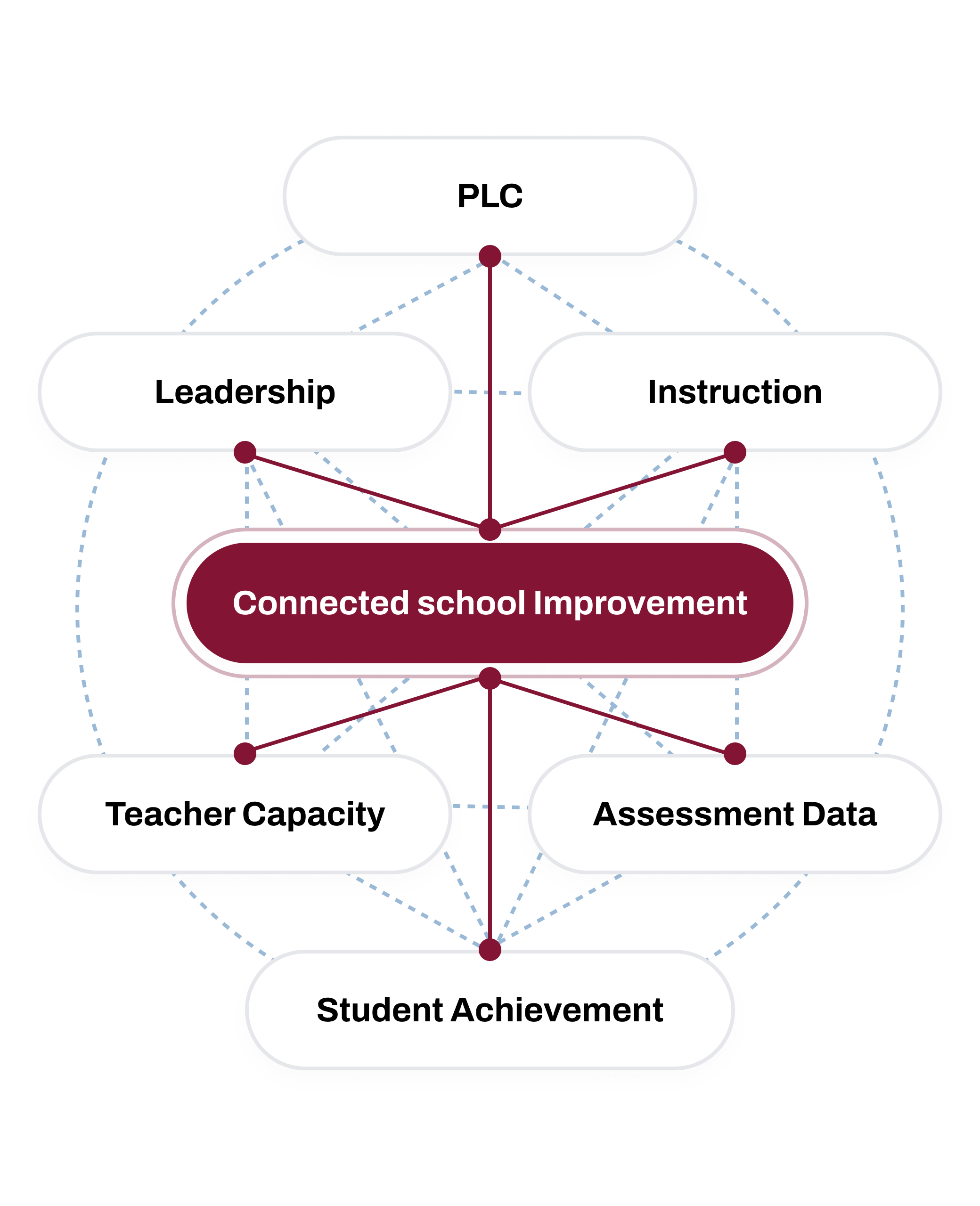
The ProActive Schools Approach helps schools intentionally align leadership, instruction, assessment, collaboration, and continuous improvement into one connected approach that strengthens teaching, builds leadership capacity, and improves student outcomes. Whether you’re strengthening PLCs, improving assessment literacy, developing instructional leaders, or increasing student ownership, the ProActive Schools Approach helps every improvement effort work together toward one shared purpose—helping every student learn at high levels.

Take our 10-minute diagnostic to identify gaps in your school's current alignment.

Join our experts live to explore evidence-based strategies that simplify systems.

Meet with a senior systems consultant to plan your school or district's path forward.
Schools today have access to more research, instructional resources, technology, and professional learning than ever before.
At the same time, expectations continue to grow.
Schools are expected to strengthen instruction, improve student achievement, support every learner, develop teacher capacity, maximize PLC effectiveness, respond to assessment data, and create meaningful learning experiences for every student.
Every priority matters. The challenge is that they often operate as separate initiatives rather than as one connected approach. The question isn’t whether schools are doing enough. The question is whether the work is connected.
Schools don’t need a better way to connect the hard work they’re already doing.
The most successful schools aren’t defined by having more programs. They’re defined by how intentionally their improvement efforts work together.
The ProActive Schools Approach doesn’t replace what schools are already doing.
It helps every initiative reinforce every other initiative so leadership, instruction, assessment, and collaboration all move toward one shared purpose..
Better schools are built by connecting what already matters.
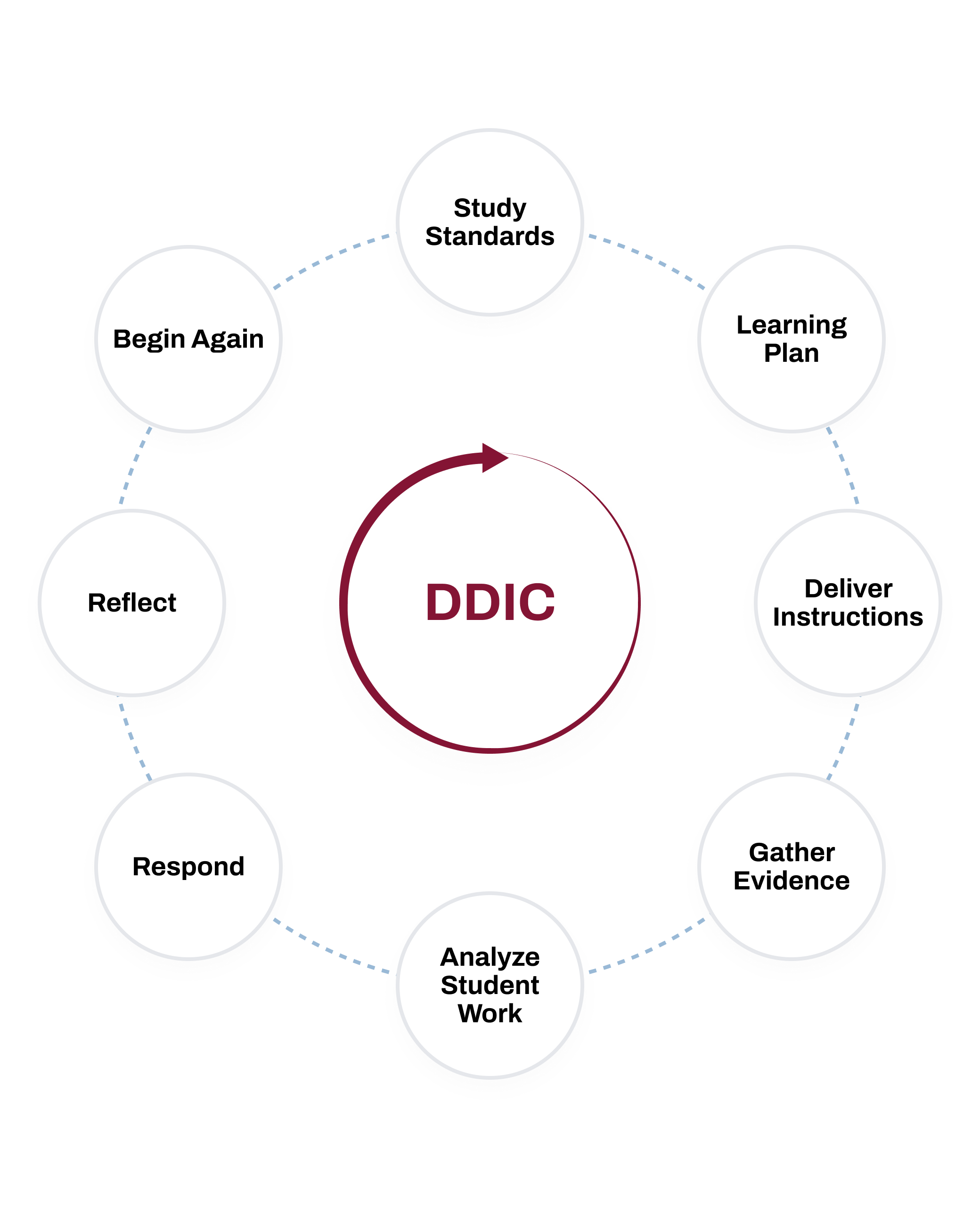
Great schools improve through a deliberate process of clarifying expectations, gathering meaningful evidence, learning from student thinking, making better instructional decisions, and continuously refining practice. The ProActive Schools Approach strengthens every stage of that journey so improvement becomes intentional, collaborative, and sustainable.

Establish clear learning goals, success criteria, and shared expectations so students and educators begin with a common understanding.

Create standards-based learning experiences that intentionally move students toward meaningful understanding and long-term growth.

Collect meaningful evidence of student thinking through classroom interactions, observations, discussions, and formative assessments.

Analyze learning evidence to identify misconceptions, recognize strengths, and uncover opportunities for deeper learning.

Use evidence to make timely instructional decisions that respond directly to student needs rather than assumptions.

Adjust teaching strategies, learning experiences, and supports to strengthen outcomes and increase student success.

Continue the cycle through ongoing reflection and refinement, creating continuous improvement that becomes part of everyday practice.
Together, these practices become one connected approach to improving teaching and learning. Each strengthens the next. Together, they strengthen the entire school.

Build shared instructional clarity by helping educators deeply understand what students must know, understand, and be able to do before instruction begins.

Collect meaningful evidence that informs instruction rather than simply measuring performance.

Transform student work into meaningful instructional conversations that reveal misconceptions, strengths, and next learning steps.

Design learning experiences that intentionally respond to evidence while maintaining rigorous expectations for every learner.

Transform collaboration into purposeful conversations that improve teaching and strengthen student learning.

Create the culture, structures, and support systems that allow continuous improvement to become part of everyday practice.
Great schools don’t improve because they occasionally examine evidence. They improve because learning from evidence becomes part of how the school operates. The Data-Driven Instructional Cycle (DDIC) provides the rhythm that transforms improvement from an event into a habit.
Each cycle strengthens teaching, informs leadership, guides collaboration, and prepares educators to make even better instructional decisions during the next cycle.Continuous improvement becomes part of the school’s culture rather than another initiative to implement.
Improvement isn’t an event. It’s a disciplined rhythm of learning, responding, and improving together.
After years as a teacher, principal, and school improvement consultant, A. Tremain Nelson recognized that schools rarely lacked good ideas.The greater challenge was that important work often operated independently.
That realization led to the development of the ProActive Schools Approach—a practical framework that helps schools intentionally connect leadership, instruction, assessment, collaboration, and continuous improvement.The ProActive Schools book explains the thinking behind the approach and provides practical protocols that schools can immediately apply.

Standards Study
Assessment Literacy
Data-Driven Instruction
Lesson Planning
Teacher Collaboration
Continuous Improvement
Everything is designed to strengthen everyday classroom practice.

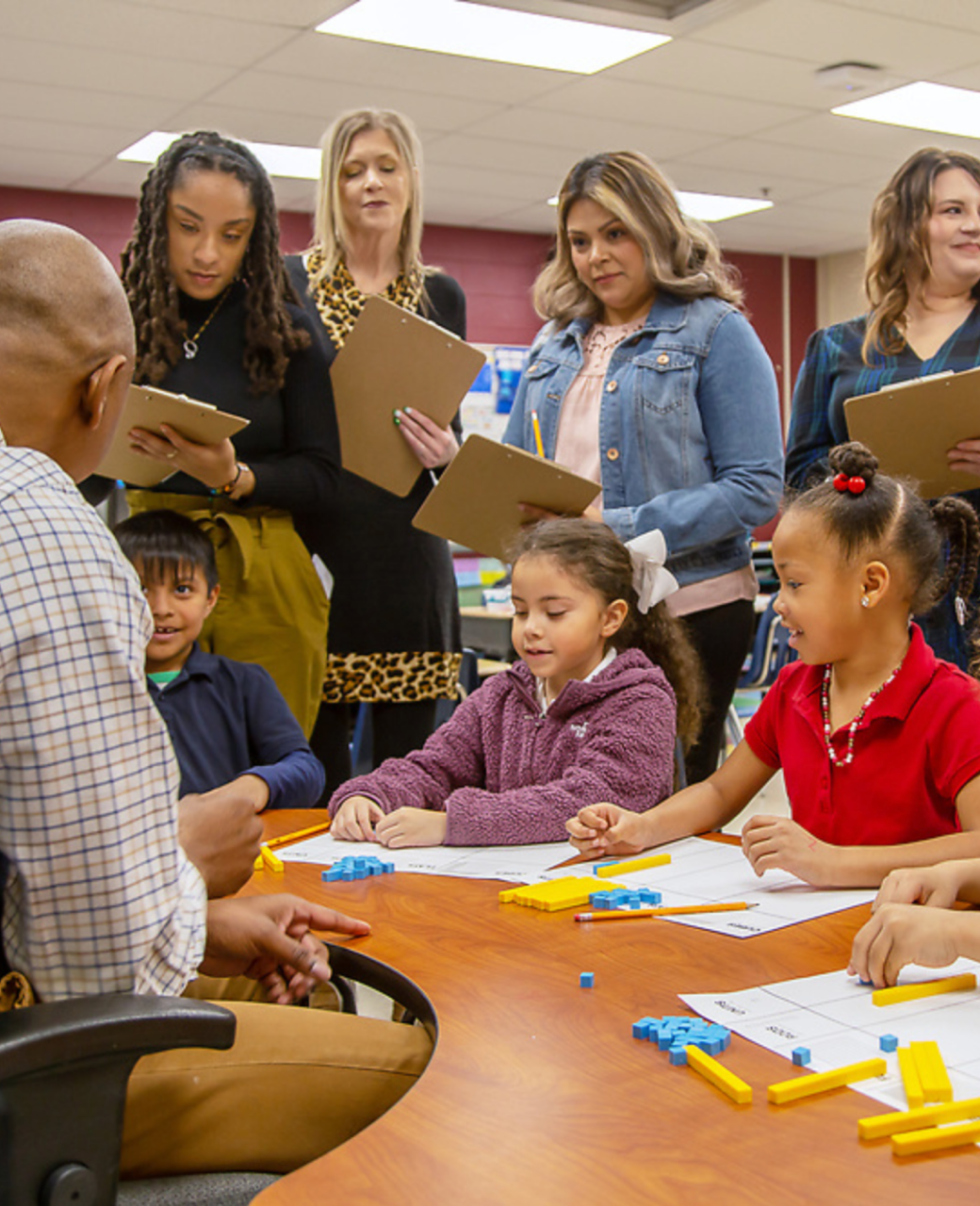
No two schools begin in the same place. Some strengthen instructional leadership. Others improve Professional Learning Communities. Some redesign lesson planning. Others deepen assessment literacy or increase student ownership.
The ProActive Schools Approach adapts to each school’s unique needs while maintaining one consistent purpose—helping every improvement effort work together to strengthen teaching and improve learning.
Schools don’t become ProActive Schools by implementing another initiative. They become ProActive Schools by intentionally connecting the work they already value.
Meaningful school improvement is measured by more than completed initiatives. It is reflected in stronger instructional leadership, more purposeful collaboration, higher-quality instruction, and improved student learning. Across the country, schools have partnered with ProActiveEd to build systems that continue improving long after implementation begins.
The strongest evidence of the ProActive Schools Approach isn’t what we say. It’s what educators experience in their schools every day.
The future of school improvement isn’t found in another initiative. It’s found in helping educators work together through one connected approach that strengthens leadership, improves instruction, builds teacher capacity, and creates better outcomes for every student. The ProActive Schools Approach helps schools intentionally connect the work they are already doing so continuous improvement becomes part of everyday practice—not another initiative to manage.
The goal isn’t to judge where your school is today. The goal is to discover where it can go next.

Take our 10-minute diagnostic to identify gaps in your school's current alignment.
Join our experts live to explore evidence-based strategies that simplify systems.
Meet with a senior systems consultant to plan your school or district's path forward.