

Every student has the potential to become a confident, capable, and independent learner. The ProActive Students Approach helps schools intentionally build learner ownership through meaningful experiences, purposeful instruction, and continuous reflection.
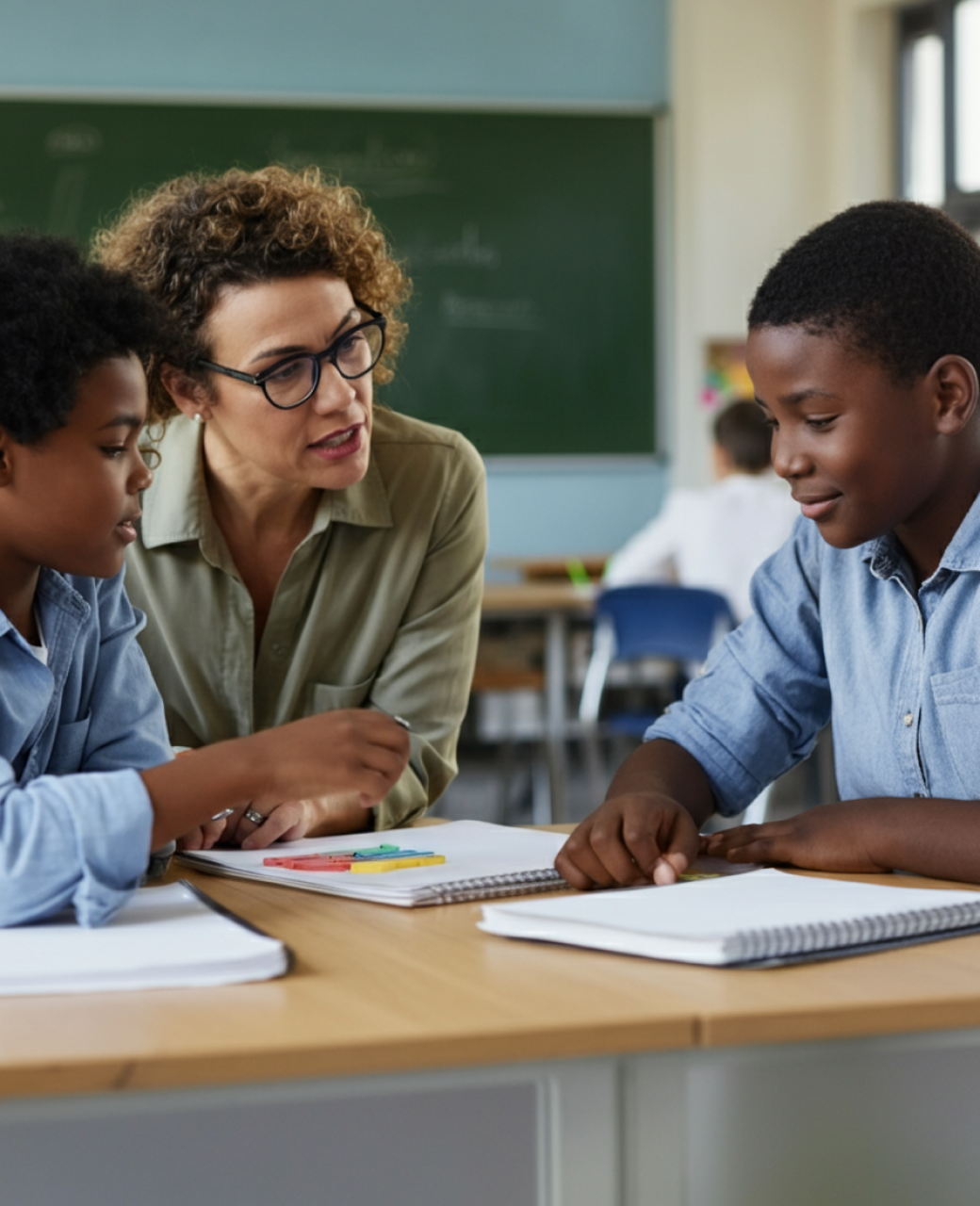

Take our 10-minute diagnostic to identify gaps in your school's current alignment.

Join our experts live to explore evidence-based strategies that simplify systems.

Meet with a senior systems consultant to plan your school or district's path forward.
Helping students succeed today requires more than teaching academic content. Students are expected to think critically, solve problems, communicate effectively, collaborate with others, persevere through challenges, and apply their learning in unfamiliar situations. They are also expected to set goals, monitor their progress, reflect on their thinking, use feedback to improve, and take increasing responsibility for their learning.
These aren’t simply academic skills. They are the habits of successful learners. Most schools recognize their importance. The greater challenge is helping every student intentionally develop them. The ProActive Students Approach expands learning beyond what students know to include how they learn.
Every educator hopes students become confident, responsible, and independent learners. But learner ownership grows through intentional learning experiences that encourage reflection, informed decision-making, and increasing responsibility.
Instead of asking,“What strategy should I try? ”teachers begin asking, “What are my students teaching me? ”That simple shift transforms instruction. Planning becomes more intentional. Teaching becomes more responsive. Collaboration becomes more meaningful. Student learning becomes more visible.Professional growth becomes continuous.
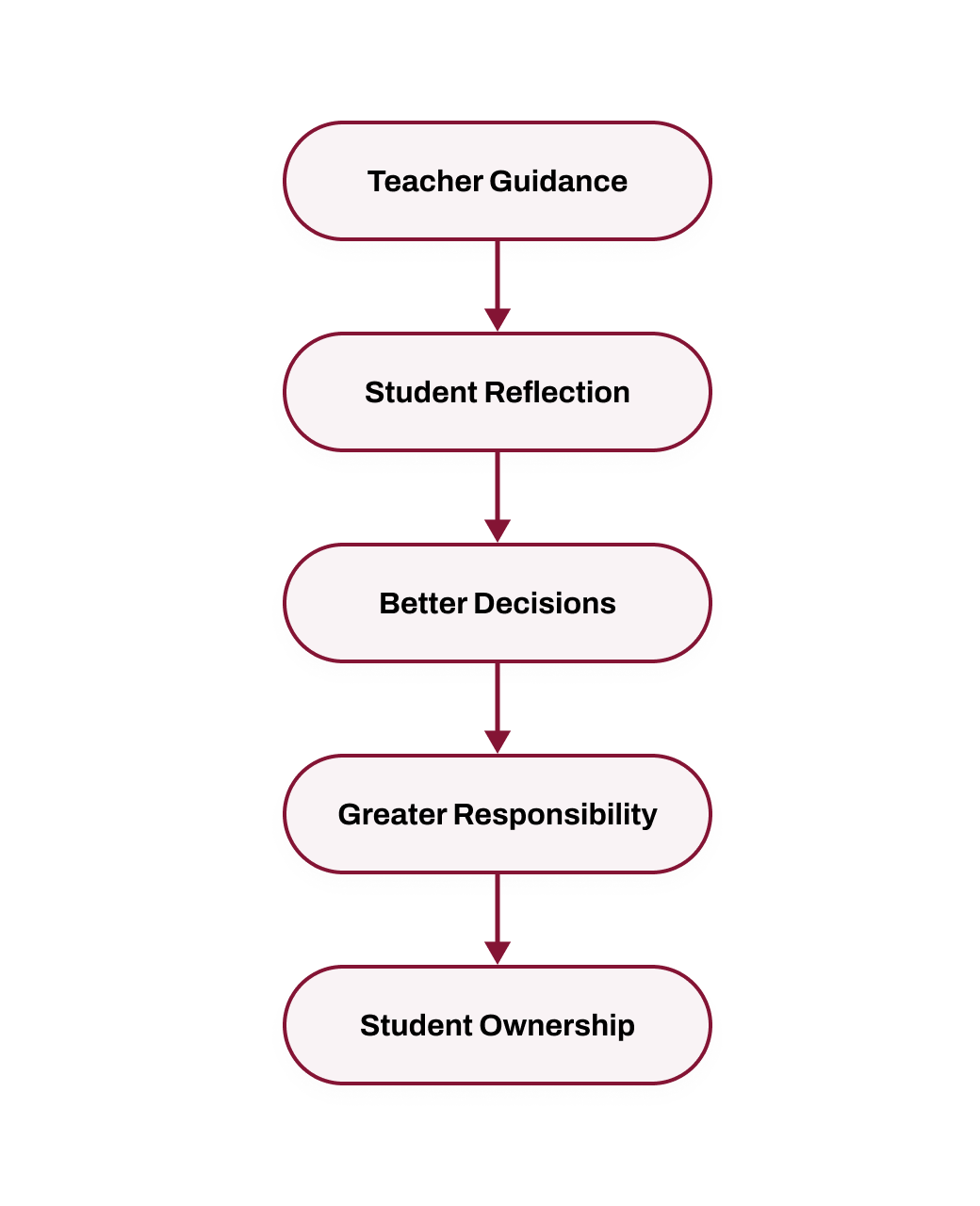
Learner ownership develops through intentional experiences that gradually prepare students to assume greater responsibility for their learning.
The role of the teacher is to intentionally prepare students to step into learning.

Students observe how effective learners approach new ideas, solve problems, ask questions, and reflect on their understanding.

Students begin participating more actively as teachers provide guidance, feedback, questioning, and support that strengthen their confidence and thinking.

Students begin explaining their reasoning, evaluating their understanding, recognizing misconceptions, and considering what they need to learn next.

Students increasingly track their progress, use evidence of learning, seek feedback, and recognize when they need additional support or greater challenge.

Students begin establishing meaningful learning goals, planning next steps, and taking increasing responsibility for improving their work.

Students select strategies, adjust their approaches, respond to feedback, solve problems independently, and make informed decisions throughout the learning process

Learner ownership becomes part of who students are because it has become part of how they learn
Learner ownership is revealed through the decisions students make while learning. As it develops, students become active participants who think, question, reflect, and take increasing responsibility for their progress. These behaviors grow through intentional learning experiences over time.

Students understand what they are learning, why it matters, and what success looks like before they begin.

Students use evidence from their work to recognize strengths, identify challenges, and determine what they need to do next.

Students explain their reasoning, evaluate their understanding, and consider how their thinking is changing throughout the learning process.

Students actively use feedback to improve rather than viewing it simply as evaluation.

When learning becomes challenging, students consider new approaches, apply different strategies, and persevere through productive struggle.

Students contribute ideas, ask thoughtful questions, learn from others, and strengthen their understanding through meaningful collaboration.

Students apply what they have learned in unfamiliar situations, make connections across concepts, and use prior learning to solve new problems.
The most significant change happens within the learning process itself. As learner ownership develops, students begin asking better questions, reflecting on their learning, and making informed decisions instead of relying on constant direction.Learning becomes something students actively shape rather than something that happens to them.
They embrace challenges, seek feedback, reflect on their progress, and grow into confident, independent learners.The ProActive Students Approach helps schools create classrooms where learner ownership becomes part of everyday learning.
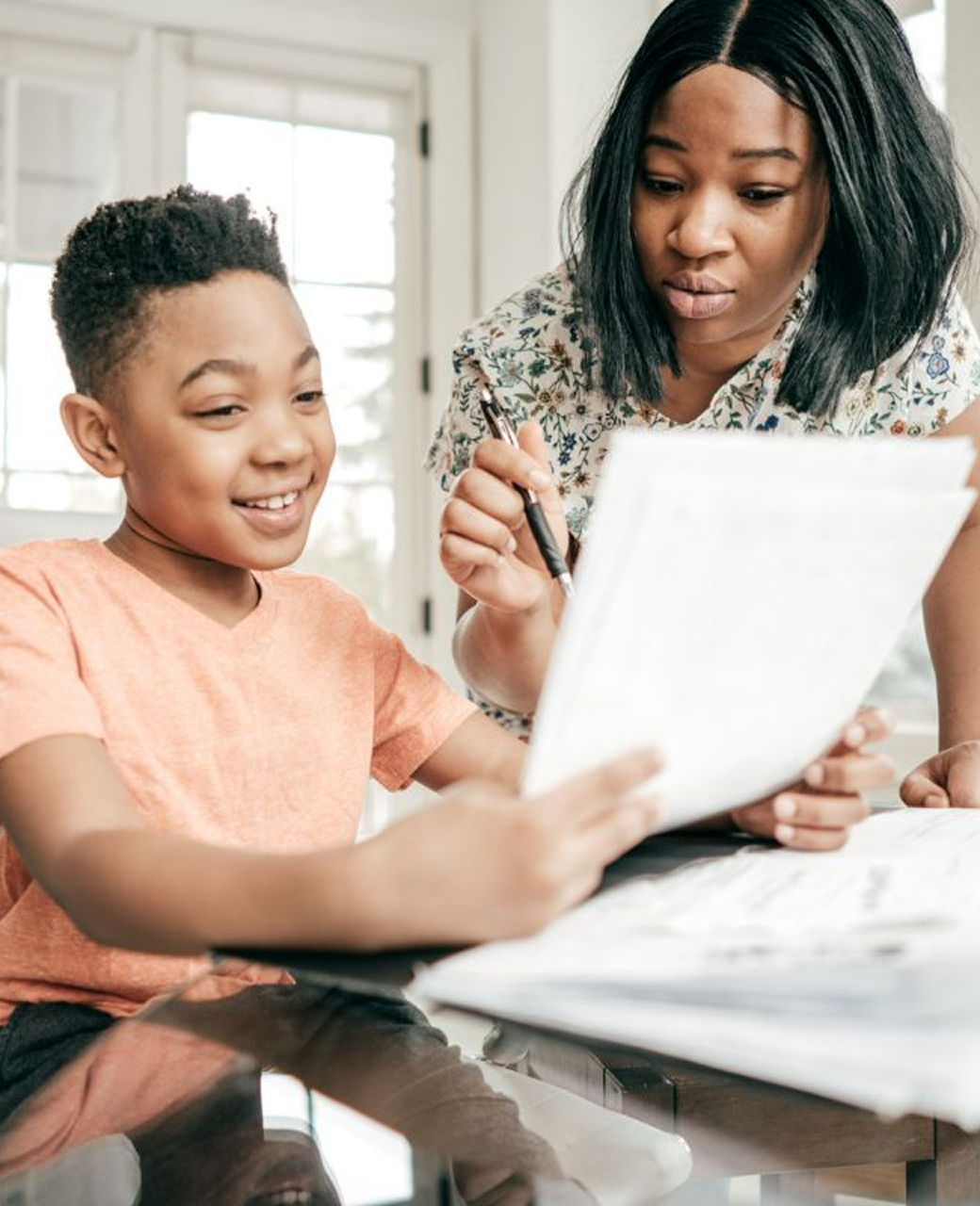
The ProActive Students Approach helps schools intentionally develop learner ownership through meaningful learning experiences that build reflection, responsibility, and independent thinking. Students gradually become active participants who confidently direct their own learning.

Goal Setting
Student Reflection
Progress Monitoring
Self-AssessmentFeedback & Revision
Student Decision-Making
Critical ThinkingIndependent Learning
Learner ownership becomes transformational when students take increasing responsibility for their learning every day.
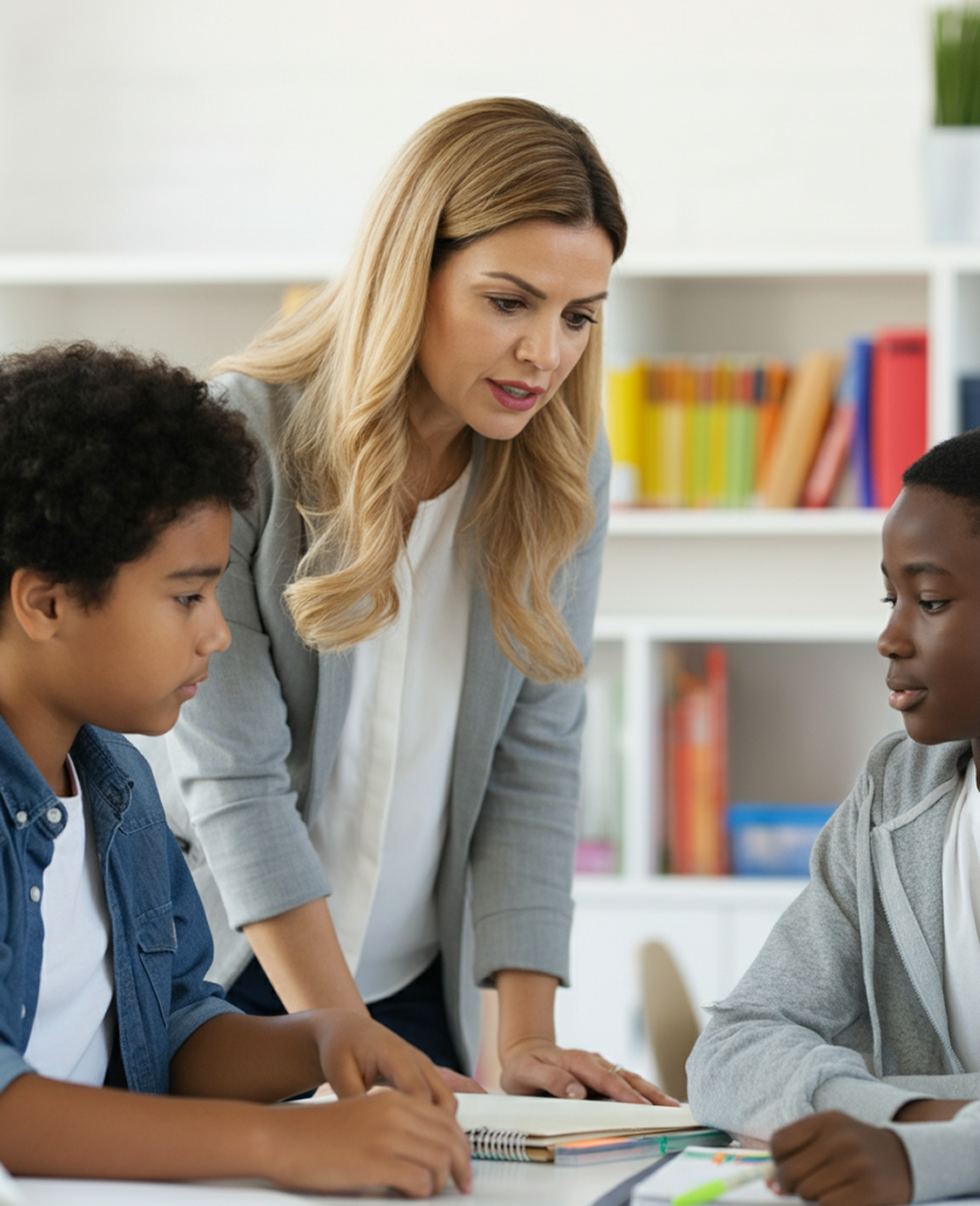
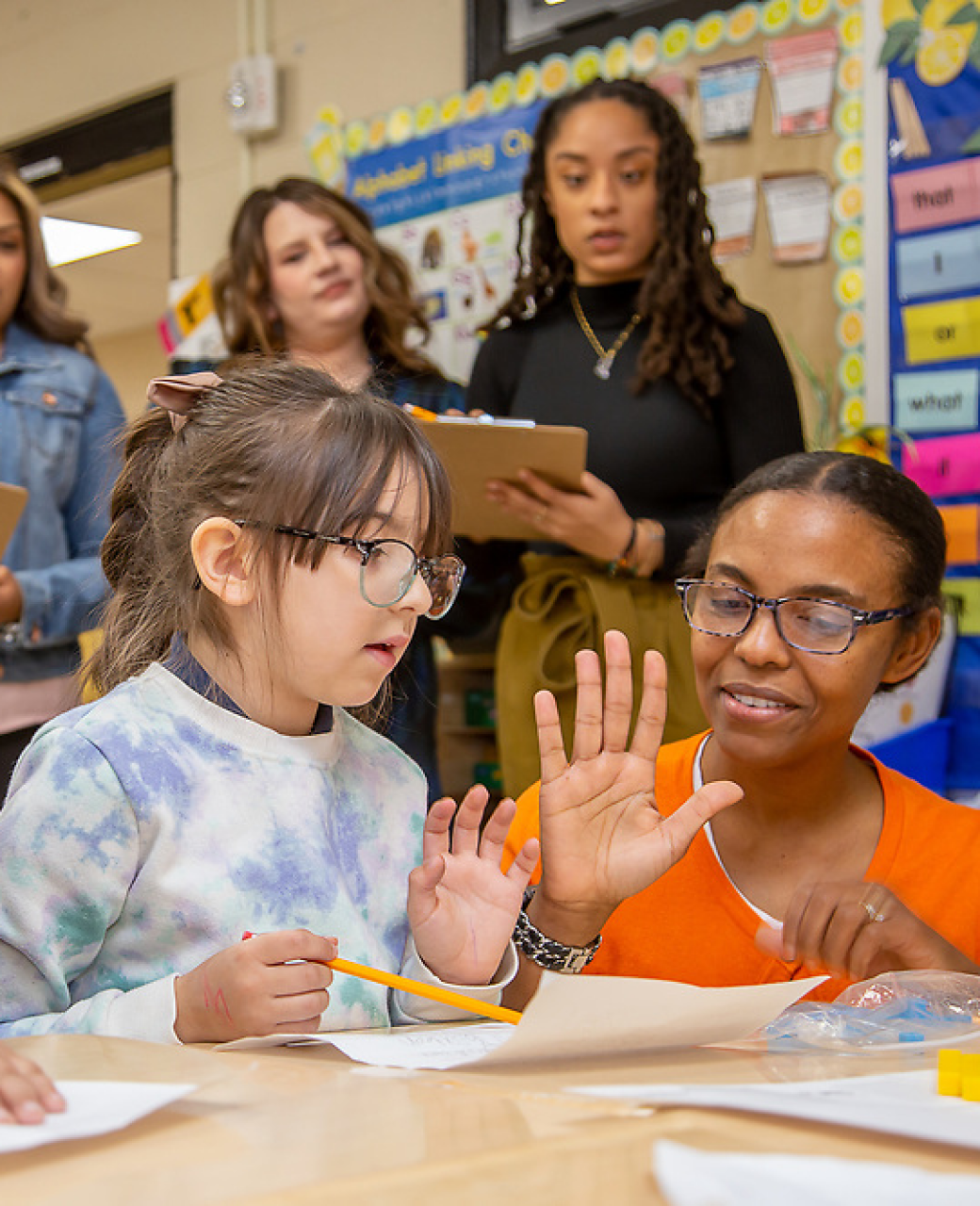
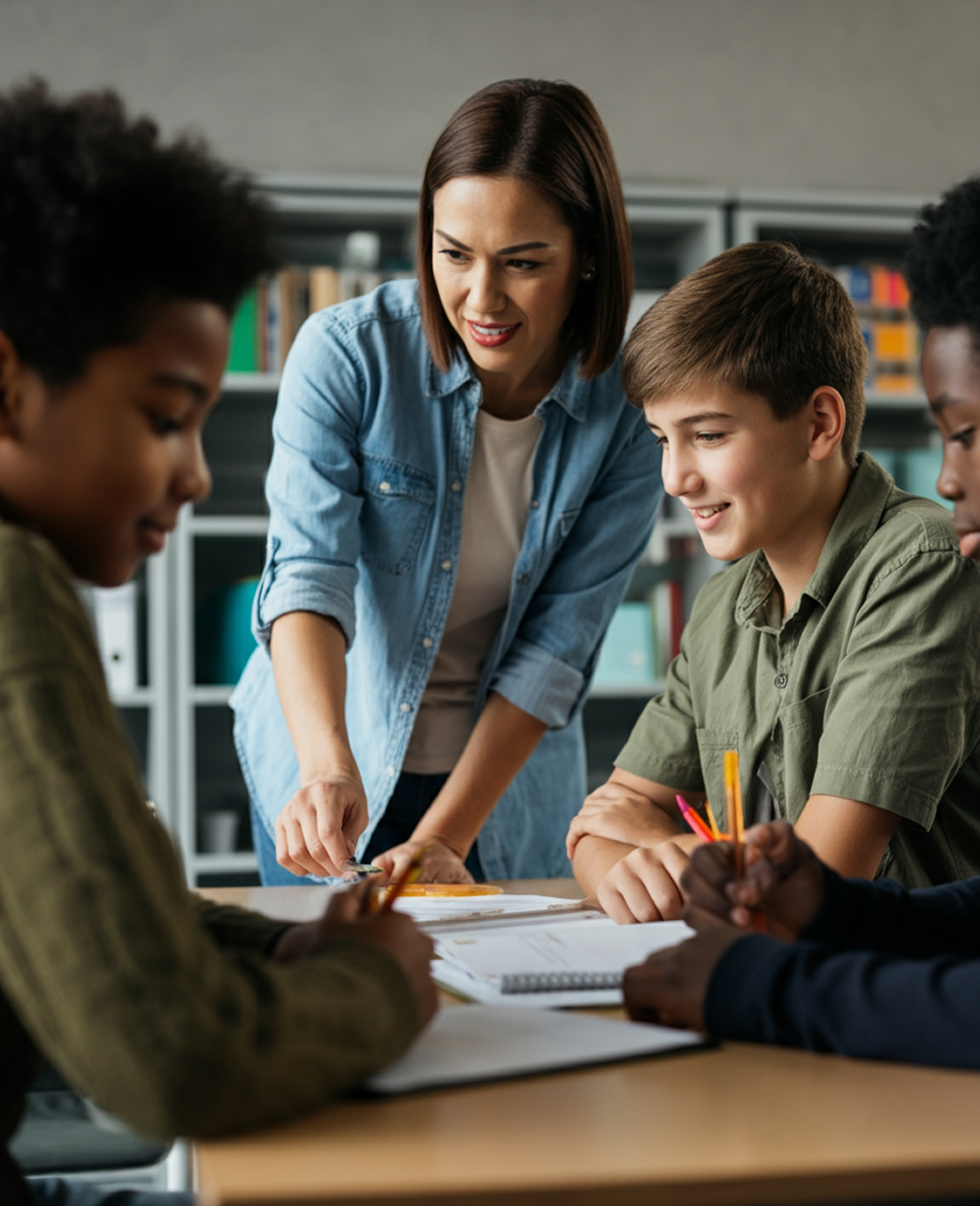
Learner ownership grows through the everyday decisions teachers make before, during, and after every lesson. Thoughtful questions, meaningful feedback, reflection, and purposeful learning experiences help students take increasing responsibility for their learning.
The ProActive Teachers Approach helps educators intentionally design these experiences so learner ownership becomes part of everyday classroom practice. Because the strongest lessons do more than teach content. They prepare students to become confident, responsible, and independent learners.
Every thoughtful instructional decision creates new opportunities for students to succeed. Schools partnering with ProActiveEd strengthen teaching through collaboration, evidence-informed practice, and continuous professional growth. The result is more confident teachers, more engaged students, and stronger schools built on stronger classrooms.
The greatest evidence is found in the growth of students
Learner ownership grows through intentional experiences, thoughtful guidance, meaningful feedback, and continuous reflection. Every student begins somewhere. Some students are just beginning to recognize what they are learning and why it matters.
Others are learning to monitor their progress, reflect on their thinking, and make increasingly informed decisions about their learning.Still others are confidently setting goals, seeking feedback, adjusting strategies, and directing much of their own growth. T
Take our 10-minute diagnostic to identify gaps in your school's current alignment.
Join our experts live to explore evidence-based strategies that simplify systems.
Meet with a senior systems consultant to plan your school or district's path forward.